
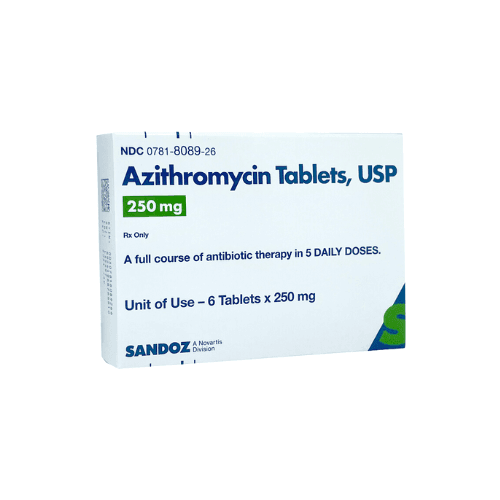
Azithromycin is a widely used antibiotic that belongs to the macrolide class. It treats bacterial infections by preventing bacteria from growing and spreading. This medication is commonly prescribed for respiratory infections, skin infections, ear infections, and sexually transmitted infections.
Benefits
- Effectively treats a variety of bacterial infections
- Often requires a shorter course of treatment compared to other antibiotics
- Available in multiple forms, including tablets, capsules, and liquid
- Can be taken with or without food for convenience
Dosage
- The typical dosage depends on the type and severity of the infection
- Often prescribed as a single dose or a multi-day course
- Should be taken at the same time each day for best results
- Always complete the full course, even if symptoms improve earlier
Warnings and Precautions
- Not effective for viral infections like the flu or common cold
- Use with caution if you have liver or kidney disease
- May cause irregular heart rhythms in some patients
- Inform your doctor of any medications you are taking to avoid interactions
Usage Instructions
- Swallow tablets or capsules whole with a full glass of water
- Shake the liquid form well before measuring a dose
- If a dose is missed, take it as soon as possible unless it’s almost time for the next dose
- Do not take antacids containing aluminum or magnesium within two hours of azithromycin, as they can reduce its effectiveness
Storage Information
- Store at room temperature, away from moisture and direct sunlight
- Keep the liquid form refrigerated or at room temperature, following the instructions provided
- Discard any unused liquid medication after the recommended period
Common Side Effects
- Nausea, vomiting, or diarrhea
- Stomach pain or cramping
- Headache or dizziness
- Mild skin rash, which should be reported if it worsens