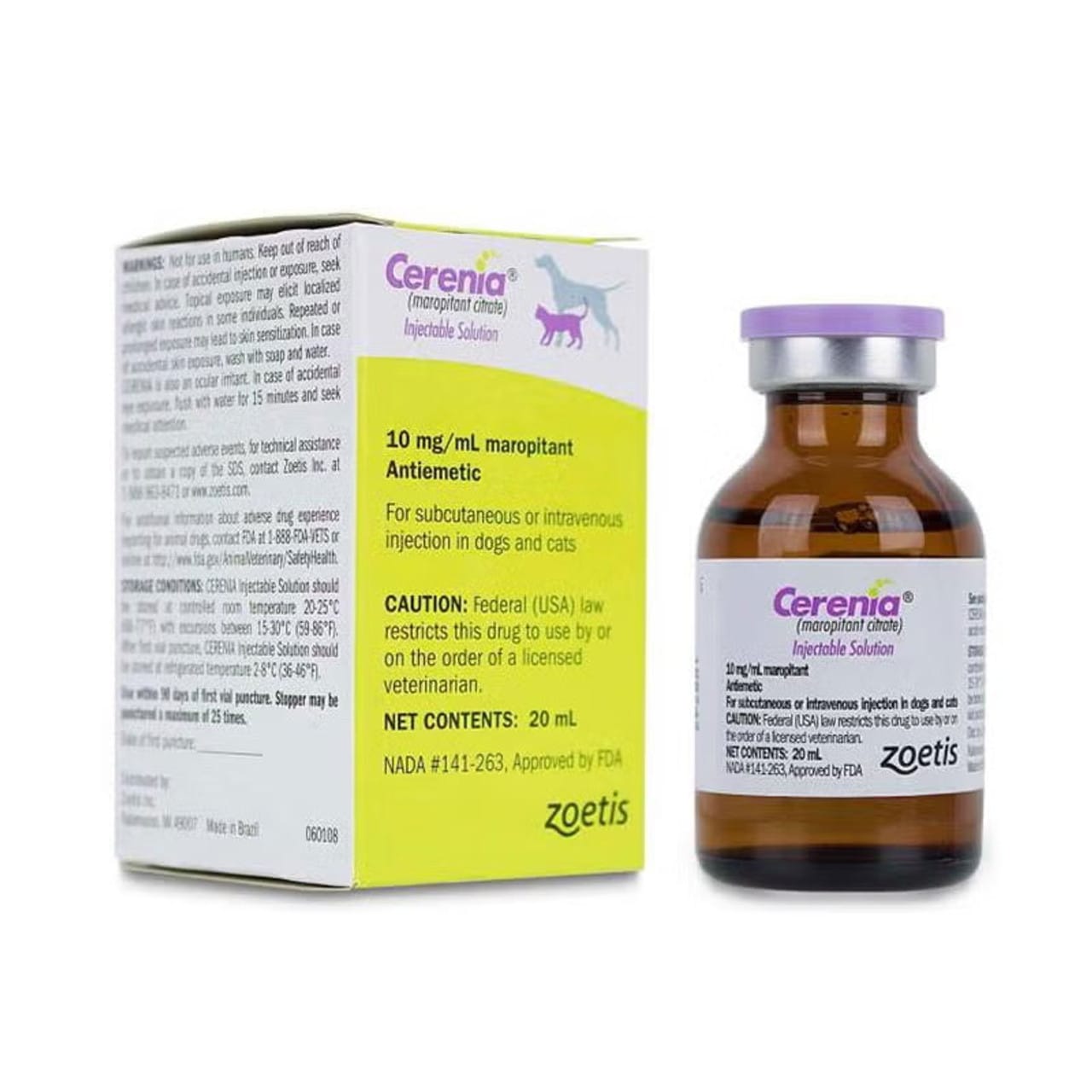
What Cerenia® Is and How It Works
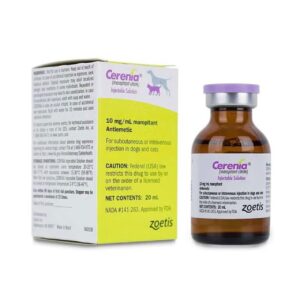
Cerenia® Injection is a 10 mg/mL maropitant citrate injectable solution for dogs and cats. It helps prevent and treat acute vomiting from many causes, including gastroenteritis, pancreatitis, kidney disease, or post‑operative nausea. Veterinarians value its fast onset, once‑daily dosing, and 24‑hour duration. Cerenia Injection is given by subcutaneous injection, and in clinical settings may be given intravenously by a veterinarian.
CanadianInsulin is a prescription referral service. Prescriptions are verified with your clinic, and orders are filled by licensed Canadian pharmacies. We work with vetted partner pharmacies to supply authentic brand medications with a broad selection and value‑focused pricing.
Maropitant is a neurokinin‑1 (NK1) receptor antagonist. It blocks substance P, a key neurotransmitter in the vomiting center and chemoreceptor trigger zone. By disrupting this pathway, Cerenia reduces nausea and vomiting from peripheral and central triggers. The injectable form is useful when an animal cannot keep oral medication down or needs rapid control.
Label indications include treatment and prevention of acute vomiting in dogs 8 weeks and older and treatment of vomiting in cats 16 weeks and older. The injectable is not the labeled option for motion sickness; Cerenia Tablets are typically used for that purpose.
Dosage and Usage
- Typical dosing: 1 mg/kg once daily for up to 5 consecutive days (dogs and cats). With the 10 mg/mL concentration, this equals 0.1 mL/kg per dose.
- Administration route: subcutaneous injection is standard. Intravenous administration is reserved for veterinary clinics under professional supervision.
- Initiation: dosing is weight‑based. No titration is required. The prescribing veterinarian calculates the exact volume and regimen.
- Preparation: many clinicians allow the vial to reach room temperature before injection to reduce transient stinging.
- Injection site: administer subcutaneously. Rotate sites to minimize local irritation.
- Missed dose: follow the veterinarian’s guidance. Do not double the next dose to make up for a missed one.
- Duration: often used once daily for up to 5 days for acute vomiting. Longer use is at the veterinarian’s discretion when clinically indicated.
- Store unopened vials at 68–77°F (20–25°C). Short excursions 59–86°F (15–30°C) are generally acceptable.
- After first puncture, refrigerate at 36–46°F (2–8°C) and use within the in‑use period stated on the label (often up to 56 days). Do not freeze.
- Keep the vial in its carton to protect from light. Record the first puncture date on the label.
- When traveling, keep the vial upright in an insulated pouch with cold packs. Do not place against ice to avoid freezing.
- Carry refrigerated medications in a personal item or carry‑on, not checked luggage. Bring your prescription and clinic contact details.
- Do not shake the vial. Inspect for particles or discoloration before use. Discard if the solution is not clear.
Benefits and Savings
Cerenia Injection provides reliable, broad‑spectrum control of vomiting across many causes. The injectable route works even when oral tablets are not feasible. It starts to work quickly, helps reduce nausea, and supports earlier rehydration and nutrition. Once‑daily dosing simplifies inpatient care and short home treatment courses when directed.
Compared with alternatives that require frequent dosing, maropitant offers 24‑hour coverage. The 10 mg/mL, 20 mL multi‑dose vial format supports flexible weight‑based dosing for dogs and cats, including small breeds or multiple‑pet households under veterinary guidance.
Many customers save 60–80% vs typical U.S. prices, which helps when pets need multi‑day treatment courses or repeat access during chronic conditions.
Side Effects and Safety
- Common: transient pain or stinging at the injection site, mild swelling, drooling, lethargy, diarrhea, or decreased appetite.
- Less common: fever, trembling, or vocalization at injection.
- Laboratory: rare increases in liver enzymes have been reported.
- Injection comfort: allowing the solution to reach room temperature before administration may reduce stinging.
- Drug interactions: maropitant is metabolized by CYP3A; inhibitors (e.g., ketoconazole) may increase exposure.
- Age limits: labeled for dogs ≥8 weeks and cats ≥16 weeks.
Serious reactions are rare but can include severe allergic response, collapse, or notable cardiac effects at high exposures. Use caution in animals with liver disease; dose adjustments or monitoring may be needed. Safety in breeding, pregnant, or lactating animals has not been established. Sedation is uncommon. Always seek urgent veterinary care if severe adverse signs appear.
Onset Time
Cerenia Injection often begins to control vomiting within 1 hour, with meaningful antiemetic effects typically evident by 1–2 hours. Duration is about 24 hours per dose in most dogs and cats. Clinical improvement in hydration, appetite, and comfort tends to follow as vomiting is controlled and concurrent therapies take effect.
Compare With Alternatives
Cerenia Injection offers rapid, predictable control when vomiting prevents oral dosing. Cerenia Tablets contain the same active ingredient and are commonly used for motion sickness or when oral dosing is feasible at home. Metoclopramide, a dopamine antagonist with prokinetic activity, may be chosen for suspected gastric stasis but requires more frequent dosing. Ondansetron, a 5‑HT3 antagonist, can be useful when vomiting is refractory or chemotherapy‑related.
Each option has a different mechanism and practical use. Cerenia’s once‑daily coverage and broad efficacy make it a first‑line choice for many causes of acute vomiting. For a deeper overview of forms and uses, see our internal guide, Cerenia Tablets And Injections For Pets Uses And Dosage.
Combination Therapy
- Fluids and electrolytes: rehydration via subcutaneous or intravenous fluids supports recovery from vomiting‑related dehydration.
- Gastroprotectants: famotidine or omeprazole may be used when gastritis, ulcer risk, or reflux is suspected.
- Antiemetic layering: veterinarians sometimes add ondansetron in refractory cases; monitoring is advised when combining agents.
- Analgesia: pain control can improve comfort in pancreatitis or post‑operative settings.
- Dietary support: bland or easily digestible diets may be introduced as vomiting resolves, per veterinary guidance.
- Underlying cause therapy: antibiotics, dewormers, or disease‑specific treatments as indicated by diagnostics.
Patient Suitability and Cost‑Saving Tips
Candidates include dogs with acute vomiting from dietary indiscretion, gastroenteritis, pancreatitis, kidney or liver conditions, and cats with acute vomiting of varied causes. It is also helpful peri‑operatively to limit nausea. Do not use in puppies under 8 weeks or kittens under 16 weeks. Use caution in hepatic disease, and discuss any concurrent medications that may interact.
Practical savings can come from planning quantity based on expected course. The 20 mL multi‑dose vial suits clinics and multi‑pet homes under veterinary supervision and can be more economical per milliliter. To avoid waste, track the in‑use period and store refrigerated after first puncture. Set simple calendar reminders for reorders if a pet has recurrent needs.
Authoritative Sources
Zoetis Cerenia Injection Product Page
FDA Approved Label for Cerenia (maropitant citrate) Injection
Health Canada Drug Product Database: Cerenia Injection
Order Cerenia® from CanadianInsulin: add to cart, upload your prescription, and we ship with prompt, express, cold‑chain handling.
This page is educational and does not replace advice from a licensed veterinarian. Always follow your veterinarian’s directions for diagnosis, dosing, and monitoring.