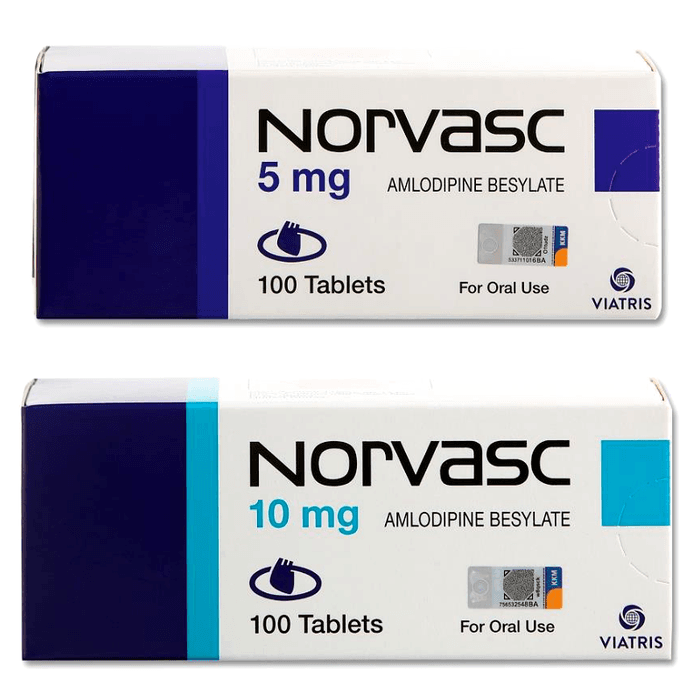
Uses of Norvasc
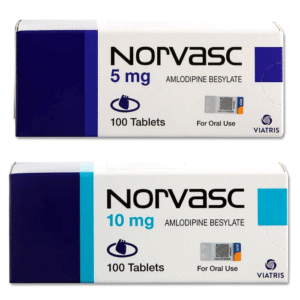
Norvasc is a medication primarily prescribed to treat high blood pressure (hypertension) and chest pain (angina). It belongs to a class of drugs known as calcium channel blockers. By relaxing blood vessels, Norvasc helps improve blood flow, reducing the workload on the heart and alleviating symptoms associated with hypertension and angina.
Precautions and Warnings
Before taking Norvasc, it is crucial to inform your healthcare provider about any existing medical conditions, especially if you have liver disease. Additionally, disclose all medications, supplements, or herbal products you are currently taking to avoid potential interactions.
Norvasc may cause dizziness or fainting, especially when rising from a sitting or lying position. Hence, it is advisable to avoid driving or operating machinery until you know how Norvasc affects you. Pregnant or breastfeeding women should consult their healthcare provider before using Norvasc.
Dosage
The dosage of Norvasc is determined by a healthcare professional based on individual medical conditions and response to treatment. Typically, the initial dose for treating hypertension in adults is 5 milligrams once daily, which can be adjusted as necessary. The dosage for angina may vary. It is essential to follow the prescribed dosage and directions provided by your healthcare provider.
Side Effects
Potential side effects of Norvasc may include:
- Swelling in the ankles, feet, or hands
- Dizziness or lightheadedness
- Flushing
- Fatigue
- Nausea
- Headache
- Rapid or irregular heartbeat
- Allergic reactions such as rash, itching, or difficulty breathing