Use of Verapamil
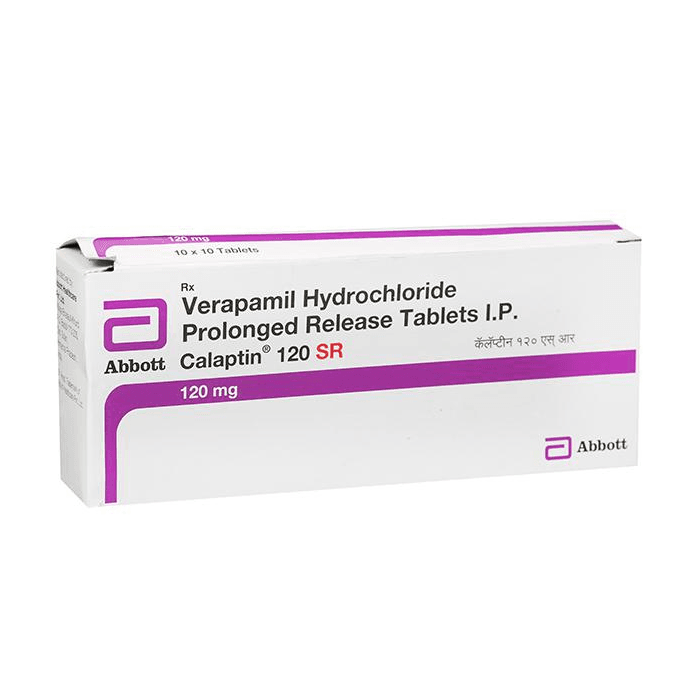
Verapamil is used primarily to treat high blood pressure, angina (chest pain), and certain heart rhythm disorders. It belongs to a class of drugs known as calcium channel blockers, which work by relaxing blood vessels and improving blood flow, thereby reducing strain on the heart and lowering blood pressure.
Verapamil exerts its effects by blocking calcium channels in the heart and blood vessels. By doing so, it inhibits the influx of calcium ions into cardiac and smooth muscle cells, leading to relaxation of blood vessels and decreased contractility of the heart muscle. This mechanism helps to widen arteries, reduce blood pressure, and alleviate symptoms of angina.
Precautions and Warnings
- Patients with certain medical conditions, such as severe congestive heart failure, low blood pressure, or certain types of abnormal heart rhythms, should use Verapamil cautiously or under medical supervision.
- Verapamil may interact with other medications, including certain antibiotics, antifungal agents, and medications used to treat heart conditions. Patients should inform their healthcare providers about all medications they are taking to avoid potential interactions.
- Individuals with liver or kidney impairment should use Verapamil with caution, as dosage adjustments may be necessary.
Dosage
The recommended dosage of Verapamil varies depending on the specific condition being treated and individual patient factors.
Typically, Verapamil is taken orally in tablet form, with dosing frequency ranging from once daily to multiple times per day, as determined by a healthcare provider. Dosage adjustments may be required based on response to treatment and tolerance of the medication.
Side Effects
Common side effects
- Dizziness
- Headache
- Constipation
- Nausea
Serious side effects:
- Irregular heart rhythms
- shortness of breath
- swelling of the ankles or feet
- signs of liver or kidney problems.